Buy dandysme.eu ?
We are moving the project
dandysme.eu .
Are you interested in purchasing the domain
dandysme.eu ?
domain@kv-gmbh.de · 0541-91531010
Buy dandysme.eu ?
What does 'leur' and 'lui' mean?
In French, 'leur' is a pronoun that means 'their' or 'them' when referring to a group of people or things. It is used to indicate possession or indirect object. On the other hand, 'lui' is a pronoun that means 'him' or 'her' when referring to a singular person. It is used to indicate possession or as an indirect object. **
How is "eux" or "leur" used in French?
"Eux" and "leur" are both pronouns used in French to refer to people or things. "Eux" is used as a direct object pronoun to replace a group of people or things, while "leur" is used as an indirect object pronoun to replace a group of people. For example, "Je les ai vus" (I saw them) uses "les" as a direct object pronoun, while "Je leur ai parlé" (I spoke to them) uses "leur" as an indirect object pronoun. **

Similar search terms for Leur
Top-Angebote
Products related to Leur:
-
Touch of Class Floral Sophistication Wall Art Ivory , IvoryBeautiful blossoms unfurl a new level of Floral Sophistication within your space. With a dimensional layered design, the hand-finished metal wall sculpture features textured light ivory flowers with lovely blush centers, golden openwork blooms,...229,00 $*Shipping: 32,06 $Secure redirect to the provider
-
Fashion Sheath ONOLA Multifunctional Fashion Luxury Watch For Men whiteElevate your everyday presence with a timepiece that effortlessly commands attention wherever you go. This striking mens quartz watch is meticulously crafted for the modern man who values both highend aesthetics and everyday utility. Designed with a...69,97 $*Shipping: 0,00 $Secure redirect to the provider
-
Fashion Sheath ONOLA Automatic Mechanical Luxury Men Watch For Business And Military Style rose WhiteTrue confidence isn't just about what you achieve, but how you command your time along the way. The ONOLA automatic mechanical watch is crafted for the modern man who values precision engineering, rugged durability, and timeless elegance. Whether...94,97 $*Shipping: 0,00 $Secure redirect to the provider
-
Fashion Sheath ONOLA Automatic Mechanical Luxury Men Watch For Business And Military Style rose GreenTrue confidence isn't just about what you achieve, but how you command your time along the way. The ONOLA automatic mechanical watch is crafted for the modern man who values precision engineering, rugged durability, and timeless elegance. Whether...94,97 $*Shipping: 0,00 $Secure redirect to the provider



-
How are the object pronouns lui and leur used?
The object pronouns lui and leur are used to replace indirect objects in French. Lui is used to replace singular indirect objects, while leur is used to replace plural indirect objects. These pronouns come before the verb in a sentence and agree in gender and number with the noun they are replacing. For example, "Je lui parle" means "I am talking to him/her" and "Je leur donne des cadeaux" means "I am giving them gifts." **
-
What is the difference between ses, leur and leurs?
Ses, leur, and leurs are all possessive adjectives in French, but they are used in different contexts. "Ses" is used to indicate possession by a singular third person, "leur" is used for a singular third person, and "leurs" is used for plural third person. For example, "ses chaussures" means "his/her shoes," "leur maison" means "their house," and "leurs voitures" means "their cars." It's important to pay attention to the number and gender of the noun being possessed in order to choose the correct possessive adjective. **
-
'I don't understand the use of lui and leur?'
In French, "lui" and "leur" are both used as indirect object pronouns to replace nouns that are the recipients of the action. "Lui" is used to refer to a singular masculine or feminine noun, while "leur" is used to refer to a plural noun. For example, "Je lui ai donné le livre" means "I gave him/her the book," and "Je leur ai donné les livres" means "I gave them the books." It's important to remember that these pronouns must agree in gender and number with the noun they are replacing. **
-
When do I use leur and leurs in French?
You use "leur" when you want to indicate possession or belonging for a singular noun, and "leurs" when you want to indicate possession or belonging for plural nouns. For example, "leur maison" means "their house" (singular), and "leurs voitures" means "their cars" (plural). **


How do you use the object pronouns lui and leur?
The object pronoun "lui" is used to replace indirect objects referring to a singular person, while "leur" is used to replace indirect objects referring to plural people. For example, "Je lui parle" means "I am talking to him/her" and "Je leur donne des cadeaux" means "I am giving gifts to them." These pronouns come before the verb in a sentence and help avoid repetition of the indirect object. **
What is the difference in French between 'ses' and 'leur'?
In French, 'ses' is a possessive adjective that is used to show possession for a singular noun that is masculine or feminine. It is used when referring to something that belongs to a third person. On the other hand, 'leur' is also a possessive adjective, but it is used for plural nouns. It is used when referring to something that belongs to a third person in the plural form. **
Top-Angebote
Products related to Leur:
-
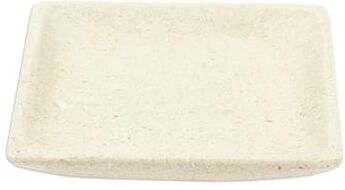
Novica Handmade Ecru Sophistication Marble PlateMexico's Sierra Family works with marble, a sturdy and precious material, to create sophisticated accents for your table. This time, they present a square plate in a refined ecru tone, polished for an elegant style and perfect for a minimalist touch.75,98 $*Shipping: 0,00 $Secure redirect to the provider
-
Fashion Sheath ONOLA Automatic Mechanical Luxury Men Watch For Business And Military Style blackTrue confidence isn't just about what you achieve, but how you command your time along the way. The ONOLA automatic mechanical watch is crafted for the modern man who values precision engineering, rugged durability, and timeless elegance. Whether...94,97 $*Shipping: 0,00 $Secure redirect to the provider
-
Touch of Class Floral Sophistication Wall Art Ivory , IvoryBeautiful blossoms unfurl a new level of Floral Sophistication within your space. With a dimensional layered design, the hand-finished metal wall sculpture features textured light ivory flowers with lovely blush centers, golden openwork blooms,...229,00 $*Shipping: 32,06 $Secure redirect to the provider
-
Fashion Sheath ONOLA Multifunctional Fashion Luxury Watch For Men whiteElevate your everyday presence with a timepiece that effortlessly commands attention wherever you go. This striking mens quartz watch is meticulously crafted for the modern man who values both highend aesthetics and everyday utility. Designed with a...69,97 $*Shipping: 0,00 $Secure redirect to the provider
-
What does 'leur' and 'lui' mean?
In French, 'leur' is a pronoun that means 'their' or 'them' when referring to a group of people or things. It is used to indicate possession or indirect object. On the other hand, 'lui' is a pronoun that means 'him' or 'her' when referring to a singular person. It is used to indicate possession or as an indirect object. **
-
How is "eux" or "leur" used in French?
"Eux" and "leur" are both pronouns used in French to refer to people or things. "Eux" is used as a direct object pronoun to replace a group of people or things, while "leur" is used as an indirect object pronoun to replace a group of people. For example, "Je les ai vus" (I saw them) uses "les" as a direct object pronoun, while "Je leur ai parlé" (I spoke to them) uses "leur" as an indirect object pronoun. **
-
How are the object pronouns lui and leur used?
The object pronouns lui and leur are used to replace indirect objects in French. Lui is used to replace singular indirect objects, while leur is used to replace plural indirect objects. These pronouns come before the verb in a sentence and agree in gender and number with the noun they are replacing. For example, "Je lui parle" means "I am talking to him/her" and "Je leur donne des cadeaux" means "I am giving them gifts." **
-
What is the difference between ses, leur and leurs?
Ses, leur, and leurs are all possessive adjectives in French, but they are used in different contexts. "Ses" is used to indicate possession by a singular third person, "leur" is used for a singular third person, and "leurs" is used for plural third person. For example, "ses chaussures" means "his/her shoes," "leur maison" means "their house," and "leurs voitures" means "their cars." It's important to pay attention to the number and gender of the noun being possessed in order to choose the correct possessive adjective. **
Similar search terms for Leur
-
Fashion Sheath ONOLA Automatic Mechanical Luxury Men Watch For Business And Military Style rose WhiteTrue confidence isn't just about what you achieve, but how you command your time along the way. The ONOLA automatic mechanical watch is crafted for the modern man who values precision engineering, rugged durability, and timeless elegance. Whether...94,97 $*Shipping: 0,00 $Secure redirect to the provider
-
Fashion Sheath ONOLA Automatic Mechanical Luxury Men Watch For Business And Military Style rose GreenTrue confidence isn't just about what you achieve, but how you command your time along the way. The ONOLA automatic mechanical watch is crafted for the modern man who values precision engineering, rugged durability, and timeless elegance. Whether...94,97 $*Shipping: 0,00 $Secure redirect to the provider
-
Fashion Sheath ONOLA Automatic Mechanical Luxury Men Watch For Business And Military Style silver BlackTrue confidence isn't just about what you achieve, but how you command your time along the way. The ONOLA automatic mechanical watch is crafted for the modern man who values precision engineering, rugged durability, and timeless elegance. Whether...94,97 $*Shipping: 0,00 $Secure redirect to the provider
-
Fashion Sheath ONOLA Automatic Mechanical Luxury Men Watch For Business And Military Style silver BlueTrue confidence isn't just about what you achieve, but how you command your time along the way. The ONOLA automatic mechanical watch is crafted for the modern man who values precision engineering, rugged durability, and timeless elegance. Whether...94,97 $*Shipping: 0,00 $Secure redirect to the provider
-
'I don't understand the use of lui and leur?'
In French, "lui" and "leur" are both used as indirect object pronouns to replace nouns that are the recipients of the action. "Lui" is used to refer to a singular masculine or feminine noun, while "leur" is used to refer to a plural noun. For example, "Je lui ai donné le livre" means "I gave him/her the book," and "Je leur ai donné les livres" means "I gave them the books." It's important to remember that these pronouns must agree in gender and number with the noun they are replacing. **
-
When do I use leur and leurs in French?
You use "leur" when you want to indicate possession or belonging for a singular noun, and "leurs" when you want to indicate possession or belonging for plural nouns. For example, "leur maison" means "their house" (singular), and "leurs voitures" means "their cars" (plural). **
-
How do you use the object pronouns lui and leur?
The object pronoun "lui" is used to replace indirect objects referring to a singular person, while "leur" is used to replace indirect objects referring to plural people. For example, "Je lui parle" means "I am talking to him/her" and "Je leur donne des cadeaux" means "I am giving gifts to them." These pronouns come before the verb in a sentence and help avoid repetition of the indirect object. **
-
What is the difference in French between 'ses' and 'leur'?
In French, 'ses' is a possessive adjective that is used to show possession for a singular noun that is masculine or feminine. It is used when referring to something that belongs to a third person. On the other hand, 'leur' is also a possessive adjective, but it is used for plural nouns. It is used when referring to something that belongs to a third person in the plural form. **
* All prices are inclusive of VAT and, if applicable, plus shipping costs. The offer information is based on the details provided by the respective shop and is updated through automated processes. Real-time updates do not occur, so deviations can occur in individual cases. ** Note: Parts of this content were created by AI.